I had a call recently with a coworking space operator who used to be the only space in town.
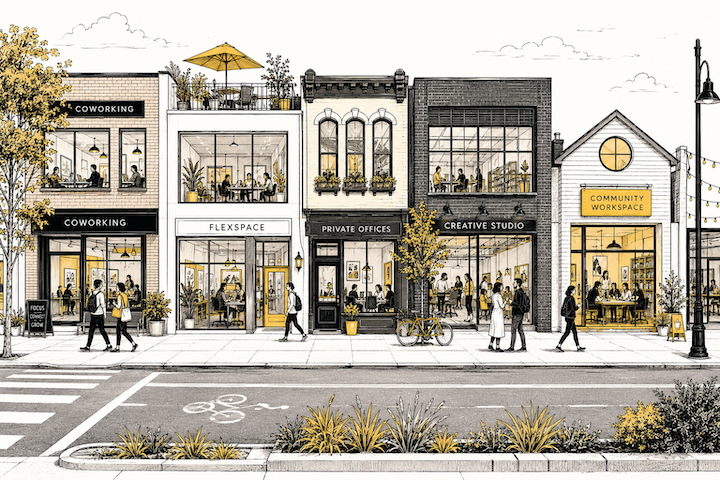
Now there are 15 other coworking spaces within shouting distance.
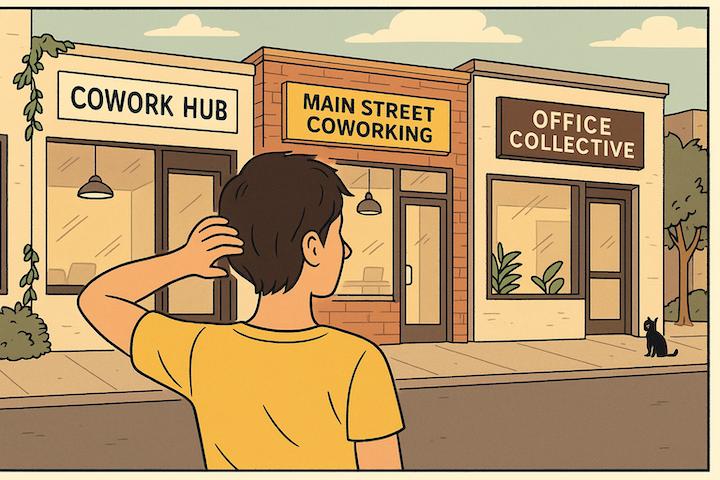
This operator has a strong, well-established brand and they know who they serve. But it’s getting more challenging to reach their target market and differentiate from the pack because coworking is getting crowded!
Which is a good thing for the world, but a challenging thing when you’re competing with dozens of other spaces.
Since our call, I’ve been thinking about how to best differentiate your coworking space in a crowded market.
Here are 10 strategies:
1. Be “for” a specific market segment.
Established entrepreneurs, students, creatives, startups, neighborhood remote workers, freelancers, solopreneurs, working parents, small teams. Find your lane. The goal is to have someone walk into your space, look around, and think, “This space is for people like me.”
2. Speak directly to the people in that market segment in all your copy, content, and across your channels—including internal emails.
Don’t shy away from stating who you’re for and being truly for them.
3. Create programming that speaks directly to the timely, hyper-relevant needs of your perfect-fit members.
No more vague “social media tips” events. Go specific and deep into the pains and desires of your members and potential members. So “LinkedIn thought leadership strategies for tech founders and teams” would be much more compelling and relevant if your target market is tech startups.
4. Help people feel seen.
Few people really need a desk and wifi. They can find those things at home, in libraries, in public buildings, and in food courts. Your value prop isn’t desks and wifi. Your value prop is that you understand your members and community so well that you’ve solved problems they don’t know they have. Be that place.
5. Be a space of belonging.
Your competitors are likely focused on amenities, design, and hospitality touches. And these are all great, but they aren’t what make people join (and stay) in your coworking community. Providing a sense of belonging and ownership of the space and community is what makes members show up … and stick around.
6. Focus on being different, not better.
What does better mean in coworking? Better coffee? Better chairs? Better wifi? Better design? These can all be duplicated by anyone else with a similar budget. Surface the ways you are uniquely different from your competition, including someone’s kitchen table.
7. Be an active and engaged part of your local community.
Coworking doesn’t work in a vacuum. There is simply no way you can be a central part of your local community if you’re not reaching out to your neighbors, supporting them, collaborating with them, and inviting them into your space.
8. Position yourself as the hub for your target market.
Host meetups, invite people in for events, ask local leaders to take part in a panel, make sure the edges of your coworking community are porous enough that people can participate and help grow your community even if they’re not members.
9. Make your values part of your coworking brand and community.
You have core values around your work and your life, but are these values clear to your members and extended community? People increasingly want to align themselves with companies and brands that are clear about how they operate, what they believe in, and what they’re working toward. So don’t hide your values away. Bring them front and center.
10. Be a hub for non-sucky networking.
Most networking events suck. They’re awkward gatherings where people mill around with a small plate in one hand and a plastic cup in the other, dodging the super aggressive person hell bent on putting a business card in everyone’s hand (You know the guy). If you’re a place where people can make real connections that grow over time (because community takes time), you will quickly differentiate from the pack.
The Coworking Letter
For coworking pros


Get insights, strategies and practical to-do's every Thursday.